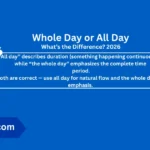
Whole Day or All Day — Which Is Correct ? 2026
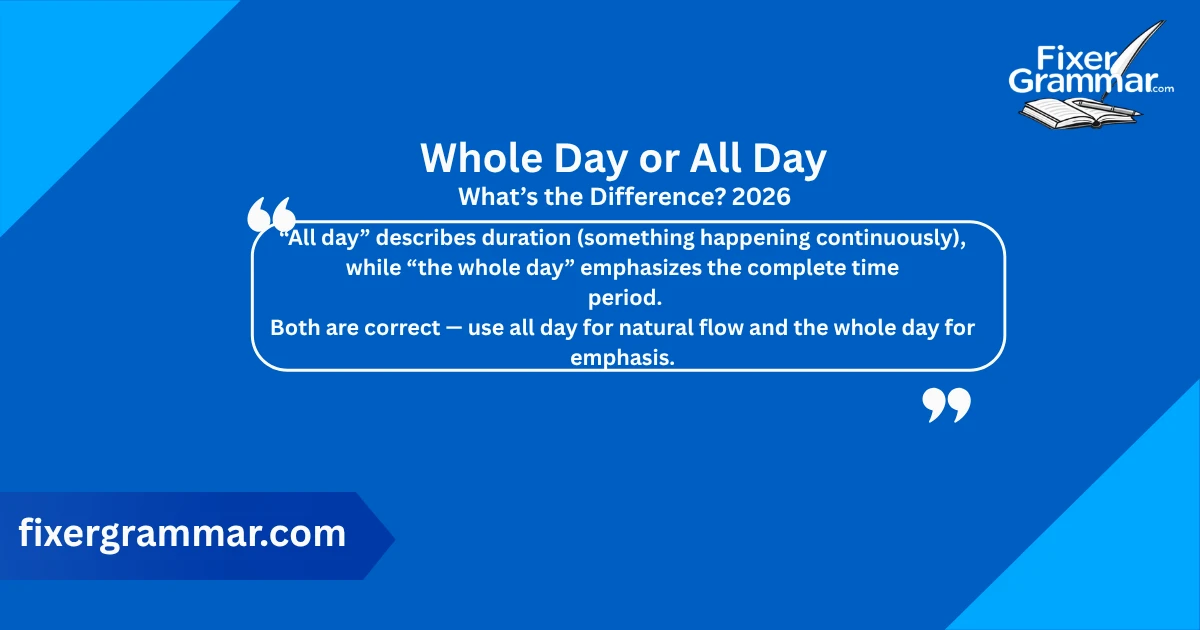
Both phrases describe a full day, but they don’t work the same way. Both are correct, but they mean slightly ...
Read moreDo Not vs. Don’t – What’s the Real Difference? 2026
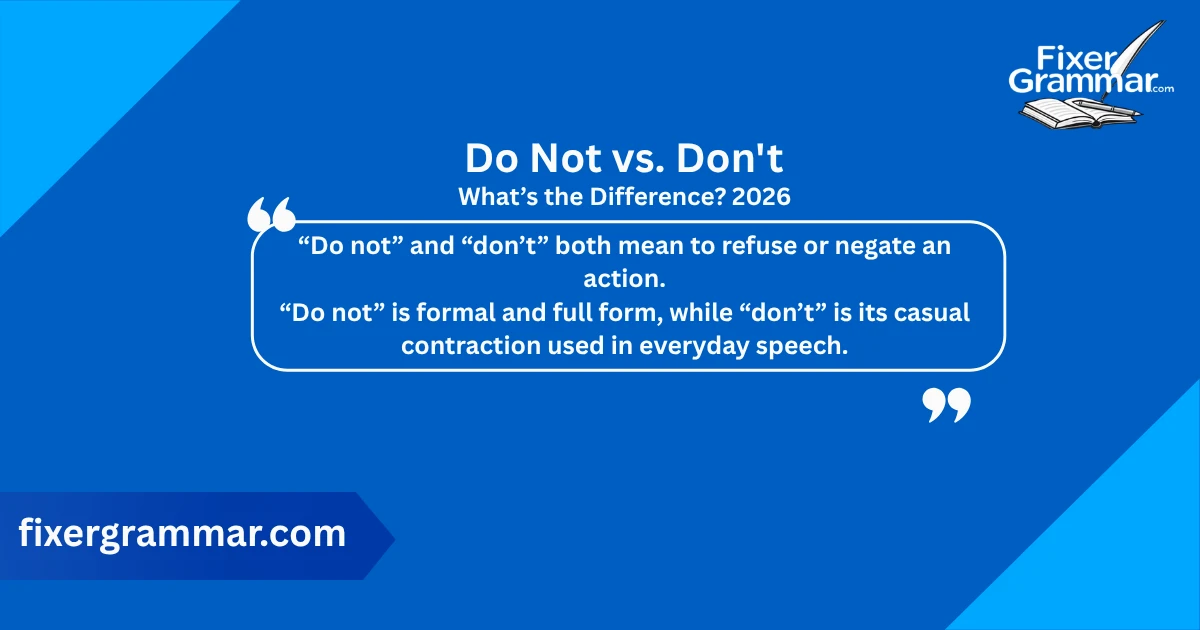
“Do Not” and “Don’t” both express negation, but they differ in formality and tone. “Do not” is the full form ...
Read moreCheckup or Check Up — What’s the Difference ? 2026
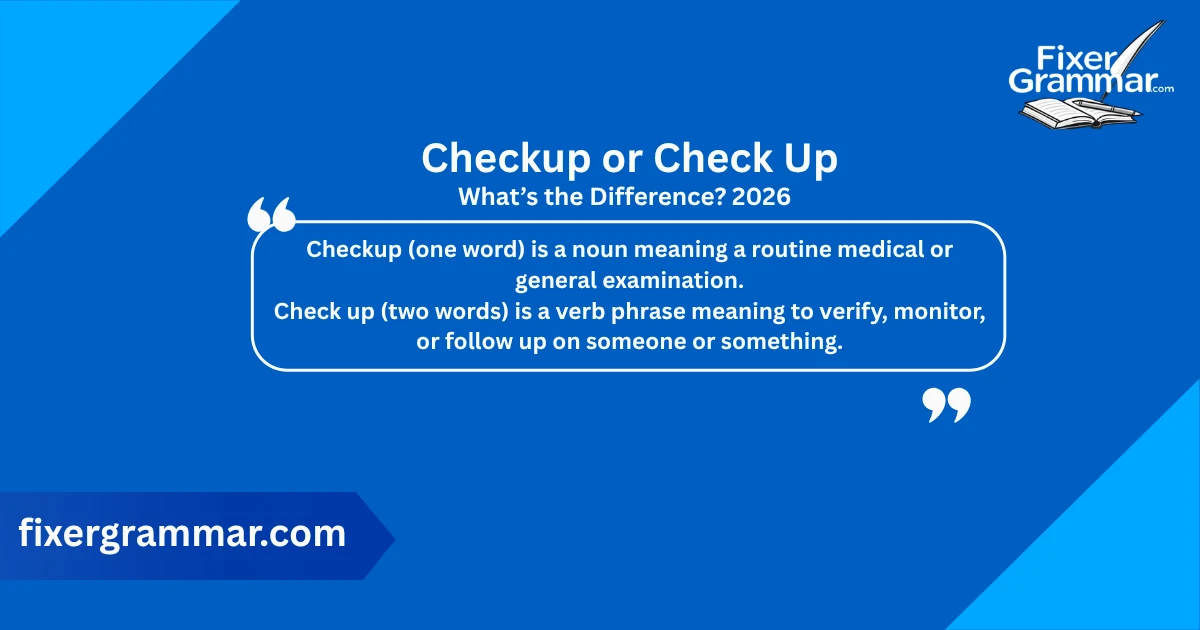
Checkup is a noun referring to a scheduled exam or inspection. Check up is a phrasal verb meaning to verify ...
Read moreEaten or Ate — Which One Is Correct? 2026
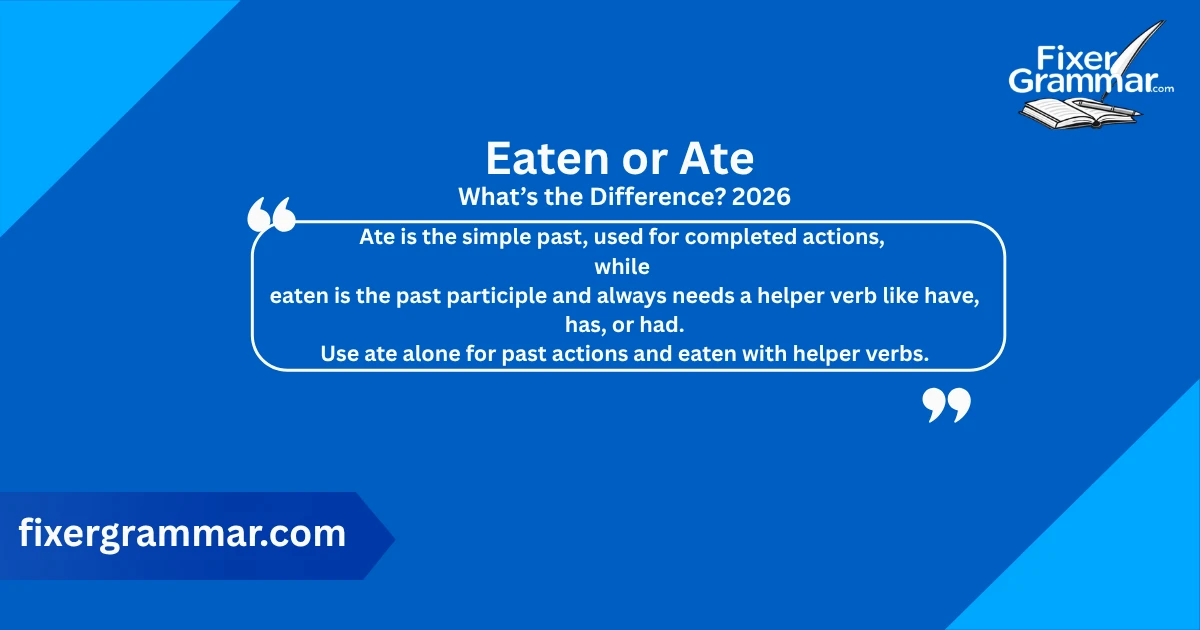
Eaten and ate are both past forms of the verb “eat” — but they work very differently in a sentence. ...
Read moreBetter Than or Better Then — Which One Is Correct? 2026
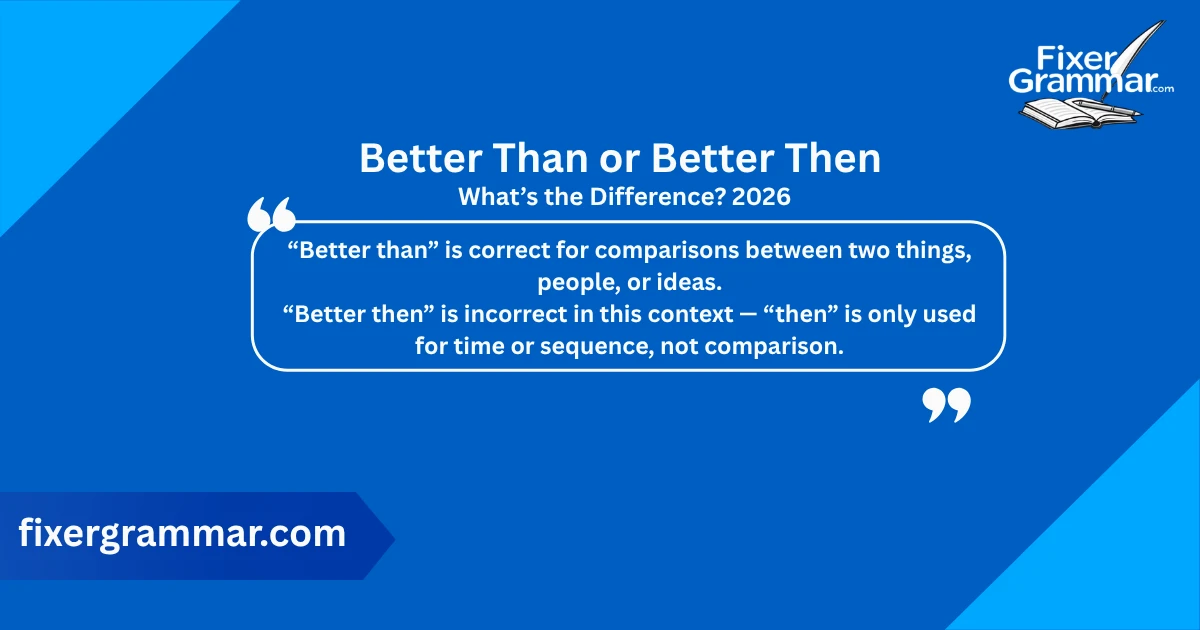
Always use “better than” when making comparisons between people, things, or ideas. On the other hand, “better then” is almost ...
Read moreBeloved vs. Loved — What’s the Difference ? 2026
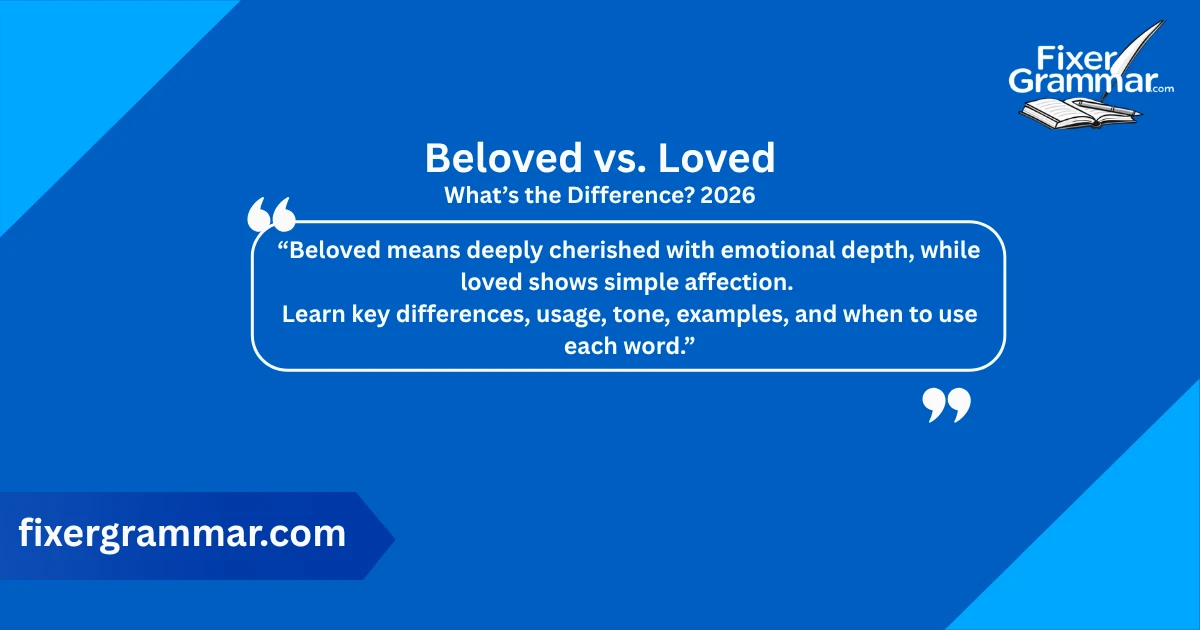
When one word can change the entire feel of a sentence, word choice matters. Beloved and loved both express affection ...
Read moreIs Used vs Has Been Used vs Was Used – What’s the Real Difference? 2026
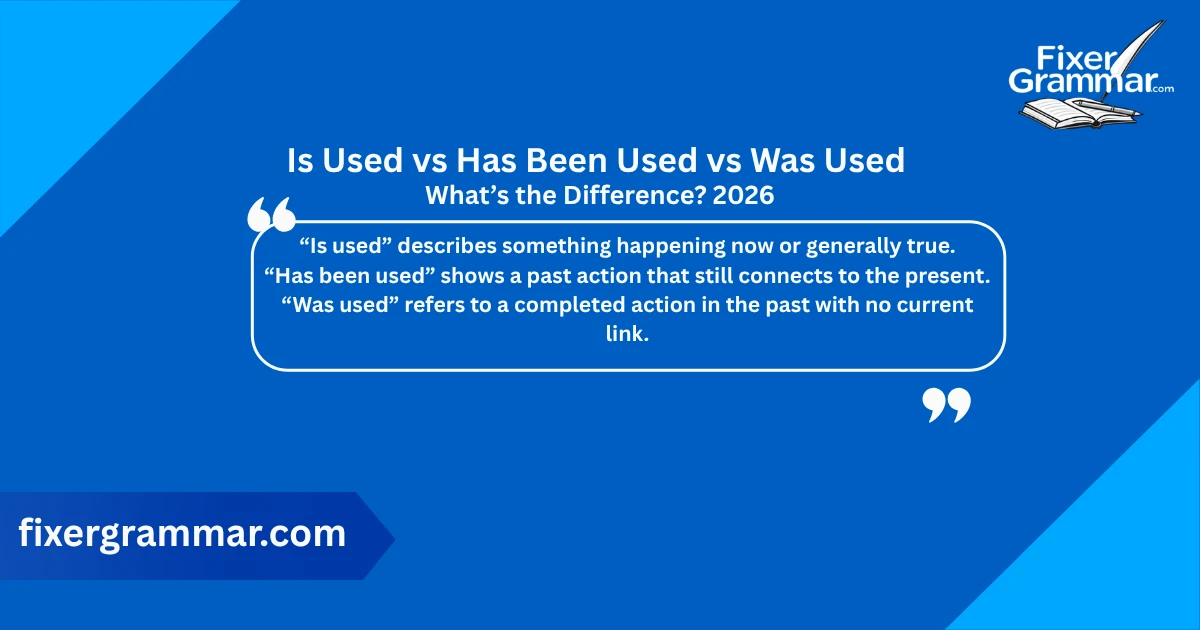
When you write “is used”, “has been used”, or “was used”, you are using three different passive verb forms — ...
Read moreProved vs. Proven — What’s the Difference? 2026
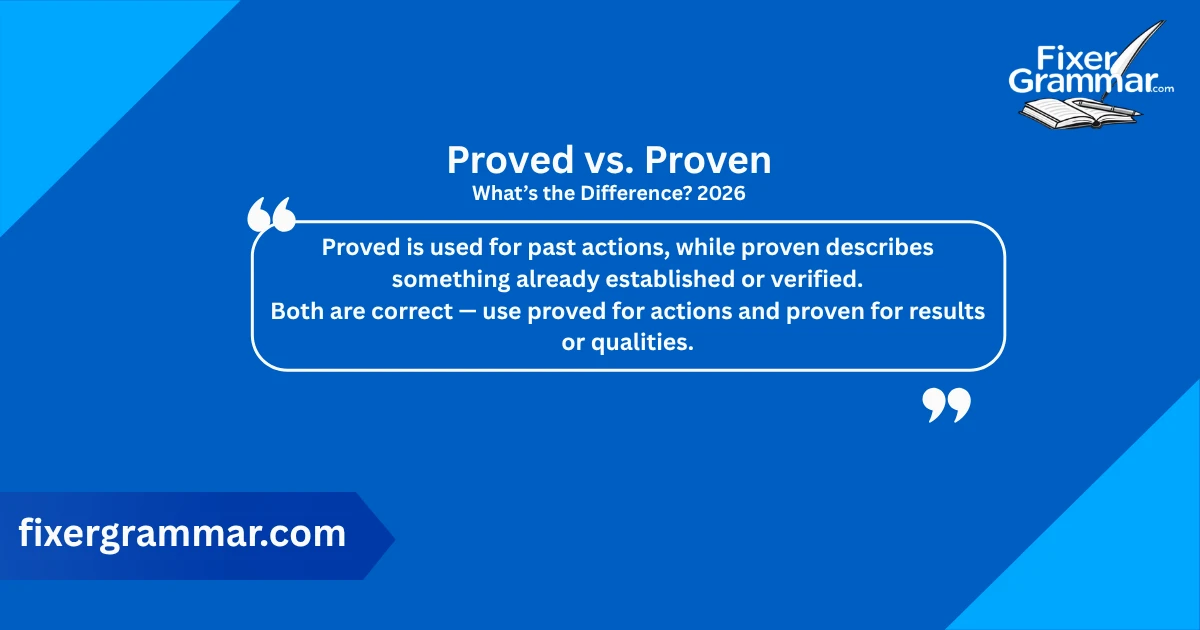
Proved and proven both come from the verb “prove” — and both are correct. Proved works as the simple past ...
Read moreWho Else or Whom Else — Which One Is Correct? 2026
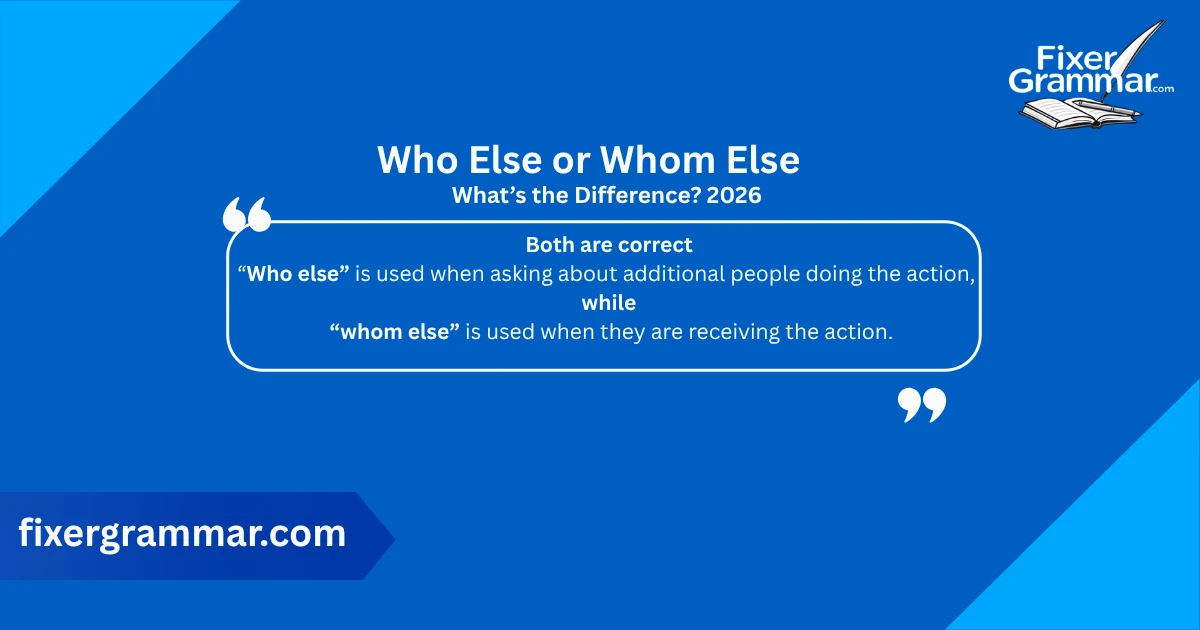
Use who else when someone does the action, and whom else when someone receives it. That single rule solves most ...
Read moreThus Far vs So Far — What’s the Difference ? 2026
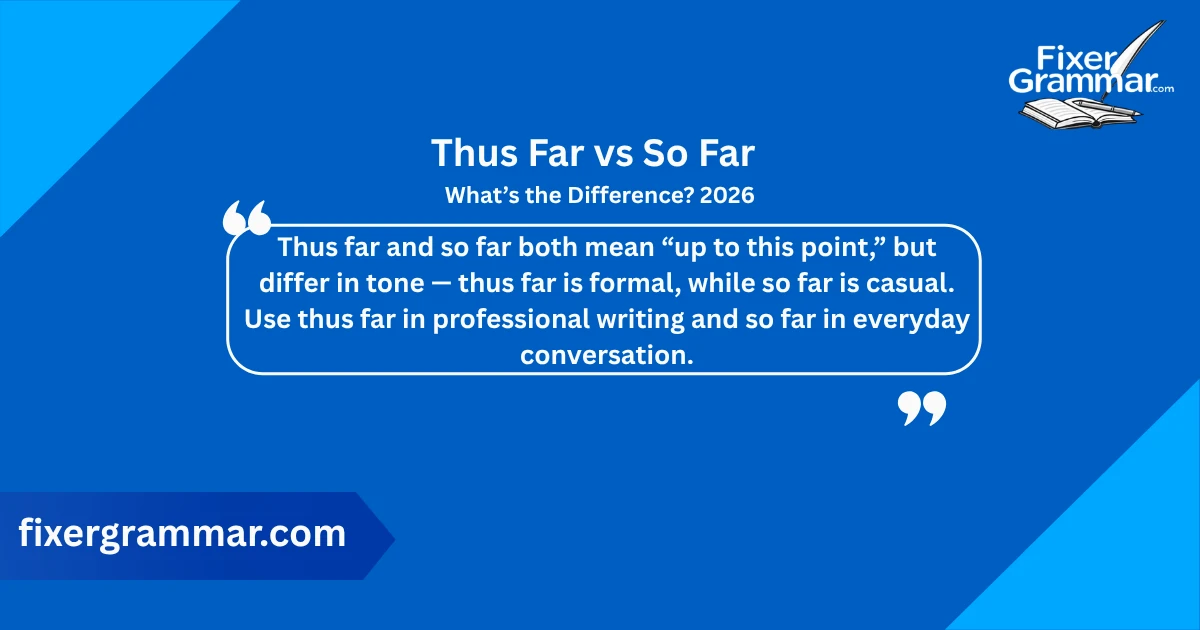
Both “thus far” and “so far” mean “up to this point” or “until now” — but they are NOT interchangeable ...
Read more