Who Else or Whom Else — Which One Is Correct? 2026
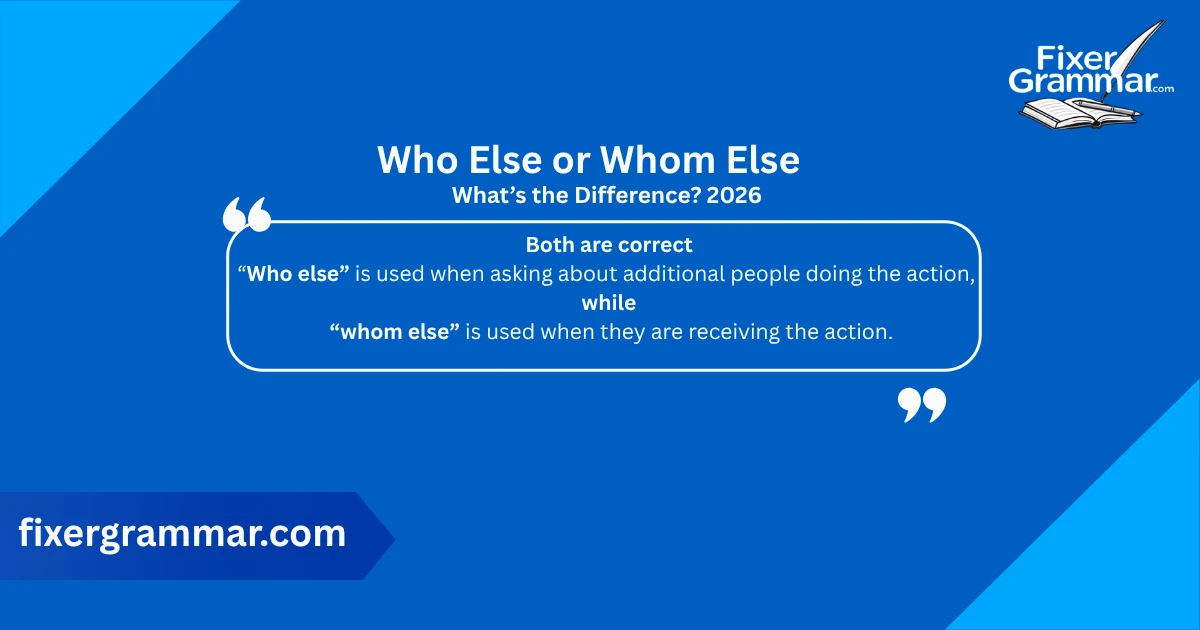
Use who else when someone does the action, and whom else when someone receives it. That single rule solves most ...
Read moreAttain vs. Obtain– What’s the Difference? 2026
Attain is about achievement through effort. Obtain is about acquisition — getting something, often through a process or request. One ...
Read moreTear vs. Tare – What’s the Difference? 2026
These two words sound exactly the same but mean completely different things. Tear is about ripping or crying. Tare is ...
Read moreAppal vs. Appall — What’s the Difference ? 2026
Appal and appall mean the same thing — to shock or horrify deeply. The difference lies in regional spelling. Appall ...
Read moreLoot vs. Lute — What’s the Difference ? 2026
Loot means stolen goods or the act of stealing. Lute is a stringed musical instrument. They sound identical but belong ...
Read moreTortuous vs. Torturous — What’s the Difference ? 2026
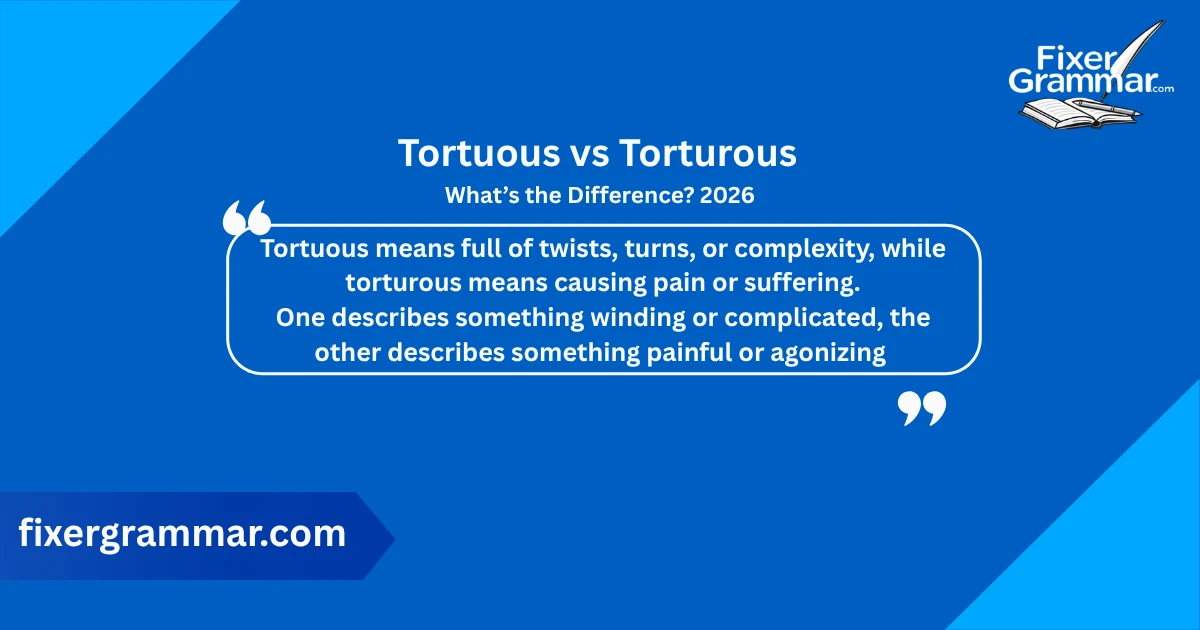
Tortuous means full of twists and turns. Torturous means causing pain or suffering. One extra letter — completely different meaning. ...
Read moreContinuous vs Continous — What’s the Difference ? 2026
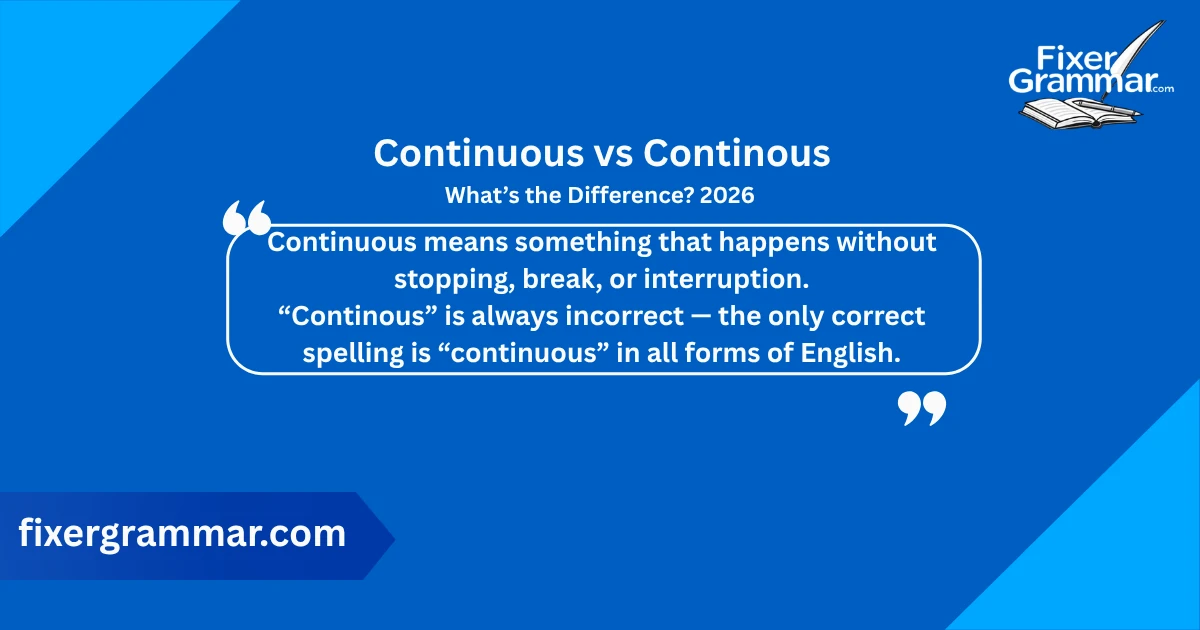
“Continous” is not a real word. The correct spelling is always continuous. No major dictionary — not Merriam-Webster, Oxford, or ...
Read moreFull Proof or Foolproof — What’s the Difference ? 2026
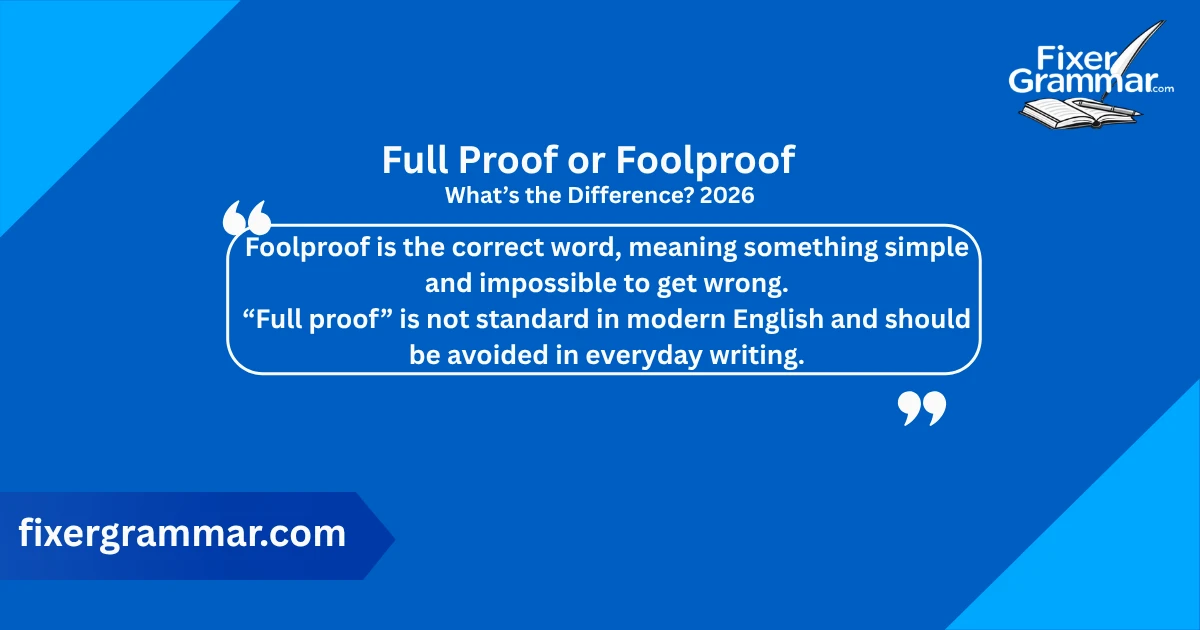
The correct word is foolproof, not “full proof”. It’s a simple mix-up, but it can quietly damage your credibility in ...
Read moreAgeing vs. Aging — What’s the Difference ? 2026
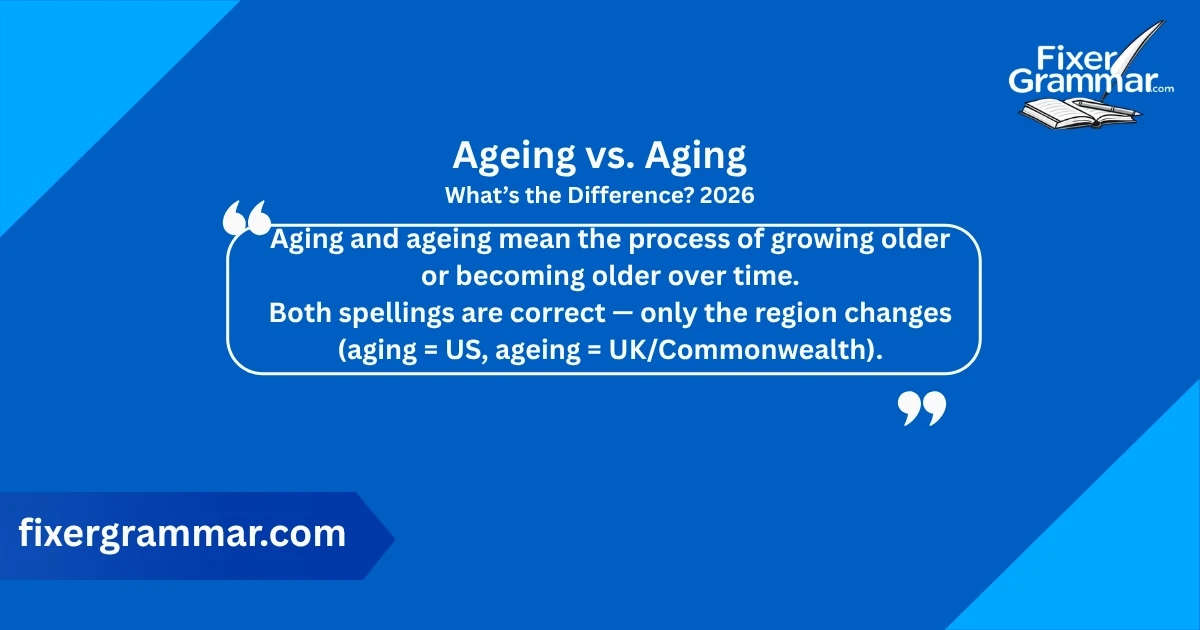
Aging and ageing are the same word — just spelled differently. If you’re writing in standard usage, aging (without the ...
Read moreDay Off vs. Off Day — What’s the Difference? 2026
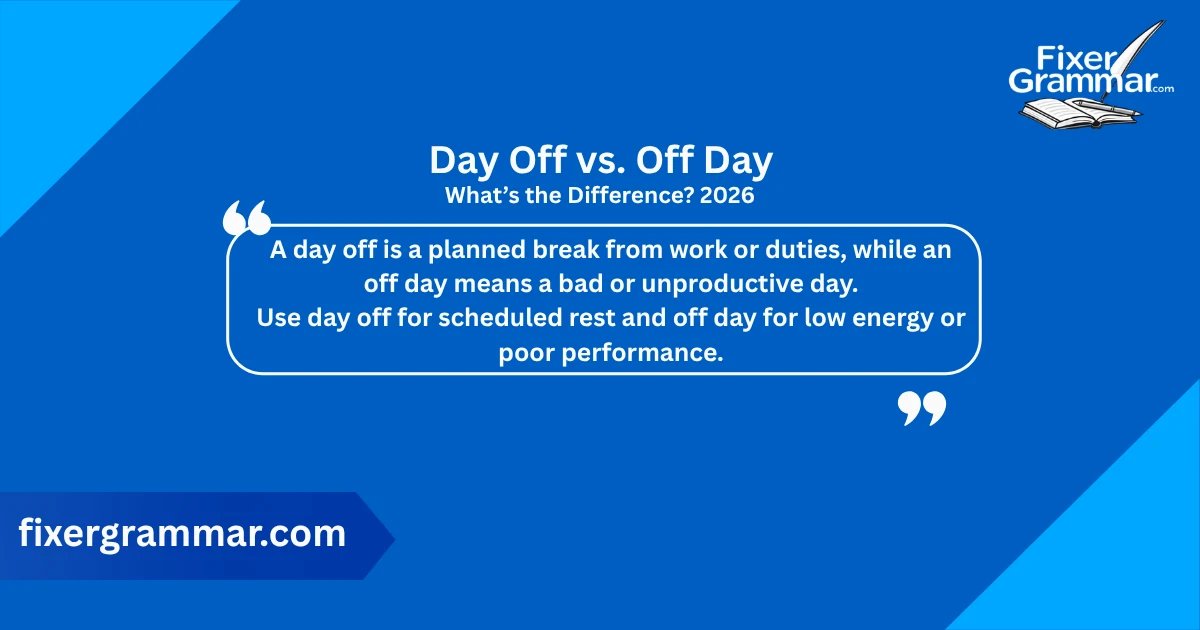
A day off is a planned break. An off day is a bad day. Most people use day off and ...
Read more